TikTok Shop Affiliate Creator Finder: Find Product-Fit Creators

A TikTok Shop affiliate creator finder should help sellers move from “who might promote this product?” to a source-linked shortlist: creators, product fit, proof of sales or content quality, sample status, commission plan, risk notes, and next outreach action. The trap is searching for creators by follower count alone. TikTok Shop affiliate performance depends on product fit, audience trust, content format, willingness to accept samples, commission economics, and whether the seller should use Op
-
1A
TikTok Shop affiliate creator findershould rank creators by product fit, category relevance, selling proof, content style, sample readiness, commission match, and source evidence. - 2This workflow separates five jobs: product brief, creator discovery, fit scoring, collaboration setup, and weekly creator-performance refresh.
- 3TikTok Shop officially supports Open Collaboration and Target Collaboration, and Seller University notes commission ranges from 1% to 80%; those settings should shape the shortlist, not come after it.
- 4Use [BrowserAct Agent](https://www.browseract.com/agent?co-from=blogbottiktok) to test creator-search prompts, BrowserAct Workflow to refresh the creator shortlist for the same product weekly, and [BrowserAct CLI](https://www.browseract.com/cli?co-from=blogbottiktok) when the approved shortlist needs to feed Sheets, CRM, or affiliate operations.
- 5Keep the workflow read-only: do not message creators, enroll products, change commissions, request samples, submit forms, or change TikTok Shop settings automatically.
Start with the product, not the creator database
The creator shortlist should come from the product brief. Otherwise the team ends up with a long list of accounts that look popular but cannot sell the item.
Product attribute | Why it matters for creator fit |
Category | defines the relevant creator niche |
Price band | changes the commission and content proof needed |
Visual demo | determines whether the product works in short-form video |
Objections | tells creators what they must answer |
Sample cost | affects how many creators you can test |
Shipping limits | restricts target regions |
Compliance risk | filters out creators who make risky claims |
That distinction is the first decision: do you need inbound discovery, targeted creator outreach, or both?
Open Collaboration vs Target Collaboration
TikTok Seller University describes two collaboration approaches. Target Collaboration is for selected products and specific creators. Open Collaboration exposes products to all creators. Seller University also notes commission ranges from 1% to 80%, with target rates overriding open rates.
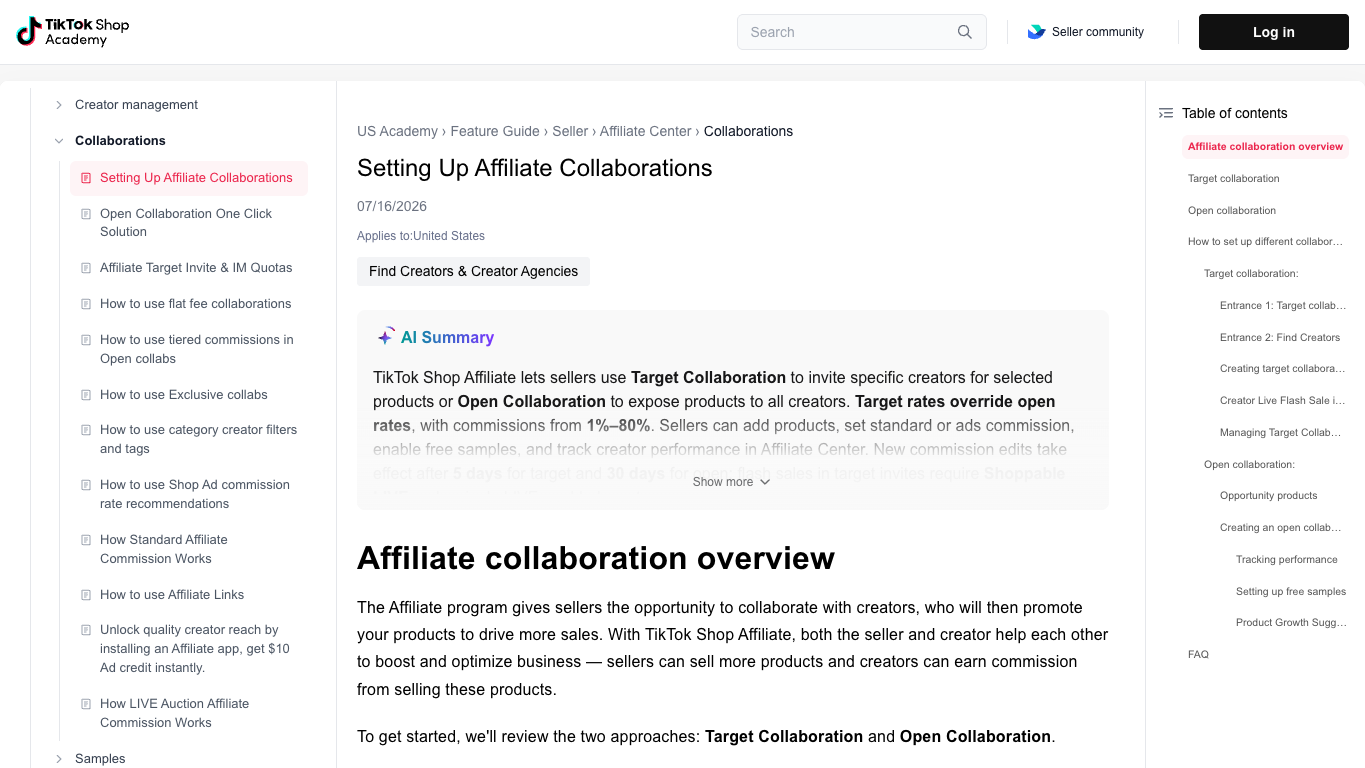
Mode | Best fit | Risk |
Open Collaboration | broad creator discovery, low-friction product exposure, inbound affiliate testing | weaker quality control and more noise |
Target Collaboration | selected creators, controlled product push, niche product launch, higher-fit outreach | more manual research and follow-up |
Hybrid | open base rate plus targeted invites for top-fit creators | needs clean tracking to avoid messy incentives |
What to collect for each creator
The shortlist needs more than handle and follower count.
Field | Why it matters |
| stable identifier for review |
| source evidence |
| shipping and Shop eligibility |
| product-category match |
| why this audience might buy |
| content evidence |
| product tags, Shop content, affiliate history, or visible selling proof |
| rough reach quality |
| comments, likes, saves, or discussion quality |
| review, demo, live, comparison, tutorial, transformation |
| whether the creator can answer product doubts |
| free sample, refundable sample, no sample, unknown |
| target rate, open rate, unknown, or requires manual setup |
| claim risk, brand-safety issue, spam pattern, mismatch |
| invite, sample_check, monitor, reject, manual_review |
Where to find affiliate creators
Use several source types, then keep the source type visible in the shortlist.
TikTok Shop native tools
TikTok Shop Affiliate Center is the natural first stop because the collaboration workflow lives there. The official pages define the operating model, but seller-only screens may require login and permissions. Treat those as authorized sources, not public pages.
Public creator and product research
Public TikTok Shop product pages, creator videos, hashtags, and product demos can reveal creators who already understand a niche. This is slower than using a database, but it gives evidence: source URLs, content style, comment quality, and product fit.
Third-party affiliate tools
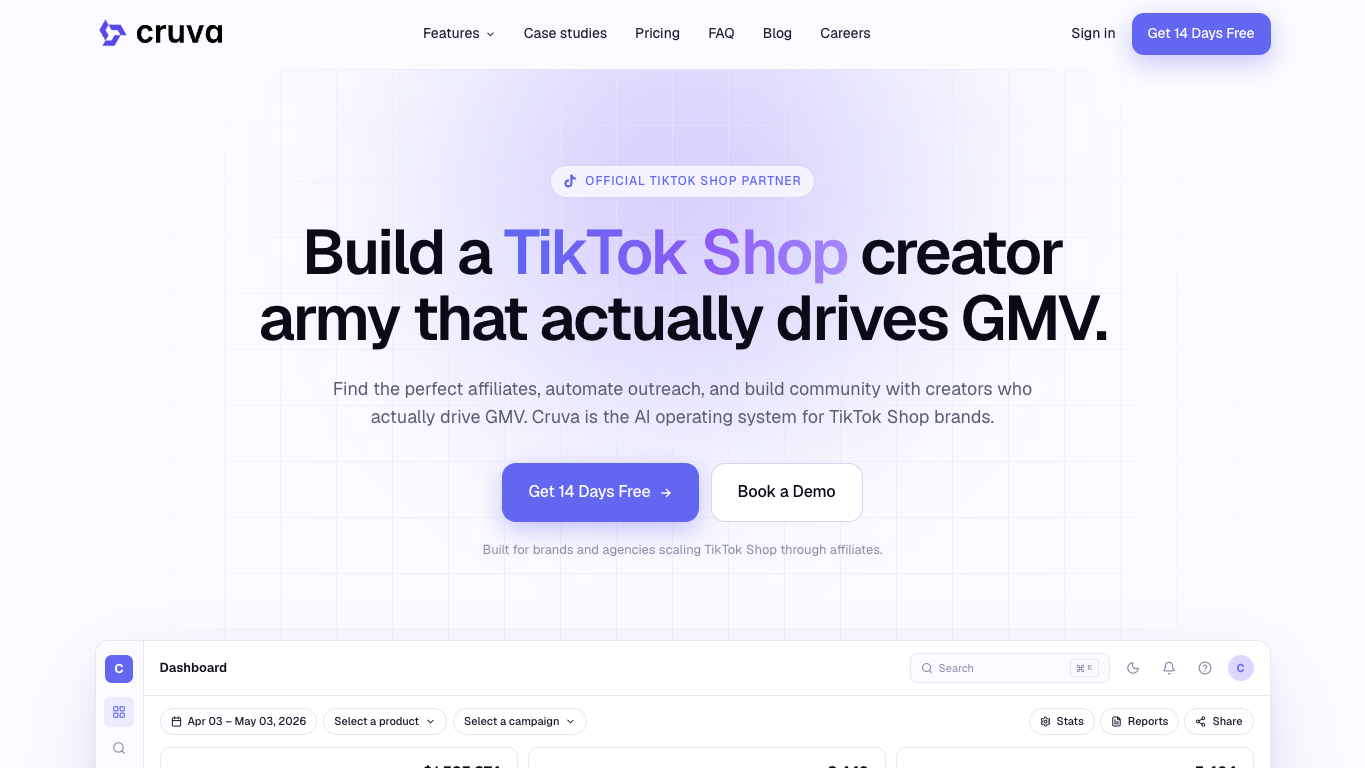
Cruva positions itself as an AI operating system for TikTok Shop brands, focused on finding affiliates, automating outreach, and tracking creators who drive GMV.
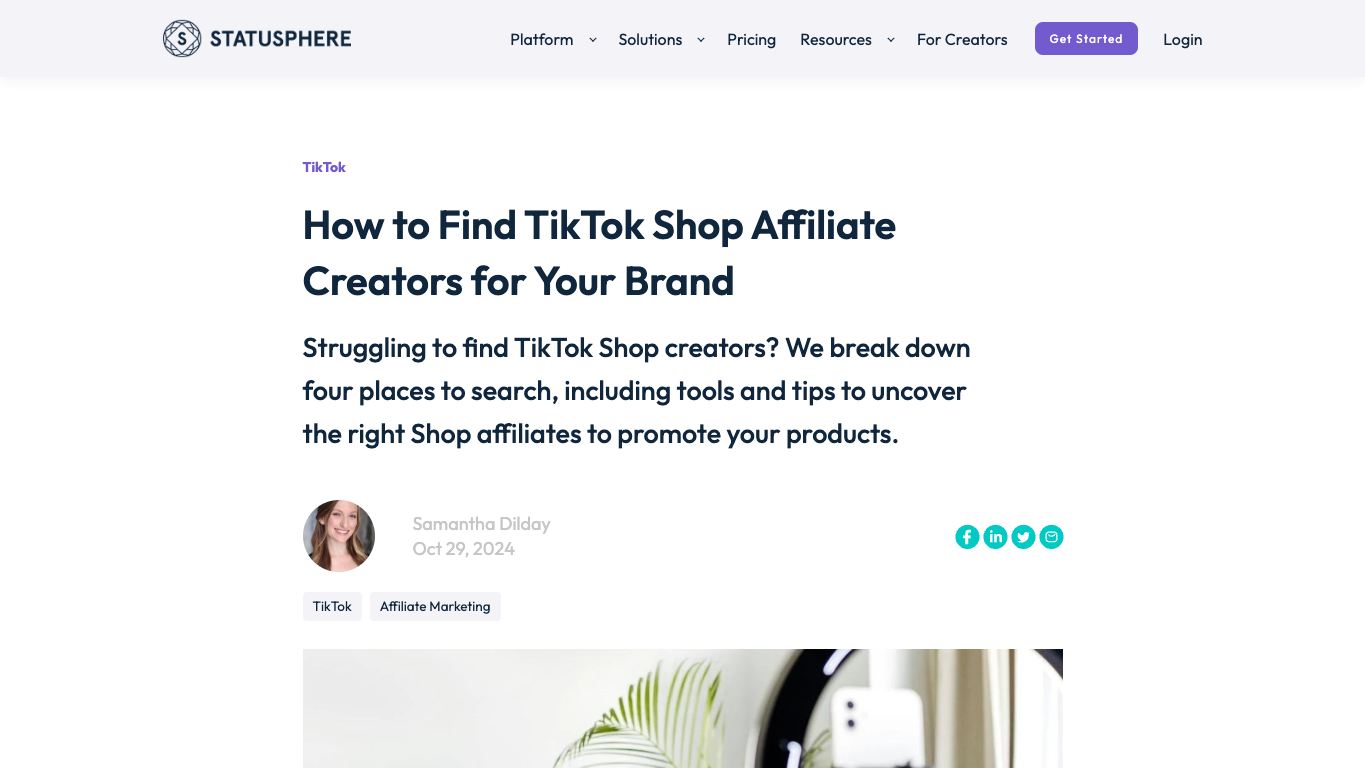
Statusphere’s guide frames the problem more manually: brands need places to find TikTok Shop affiliates, including TikTok’s Find Creators tool, Creator Marketplace, TikTok search, and influencer platforms.
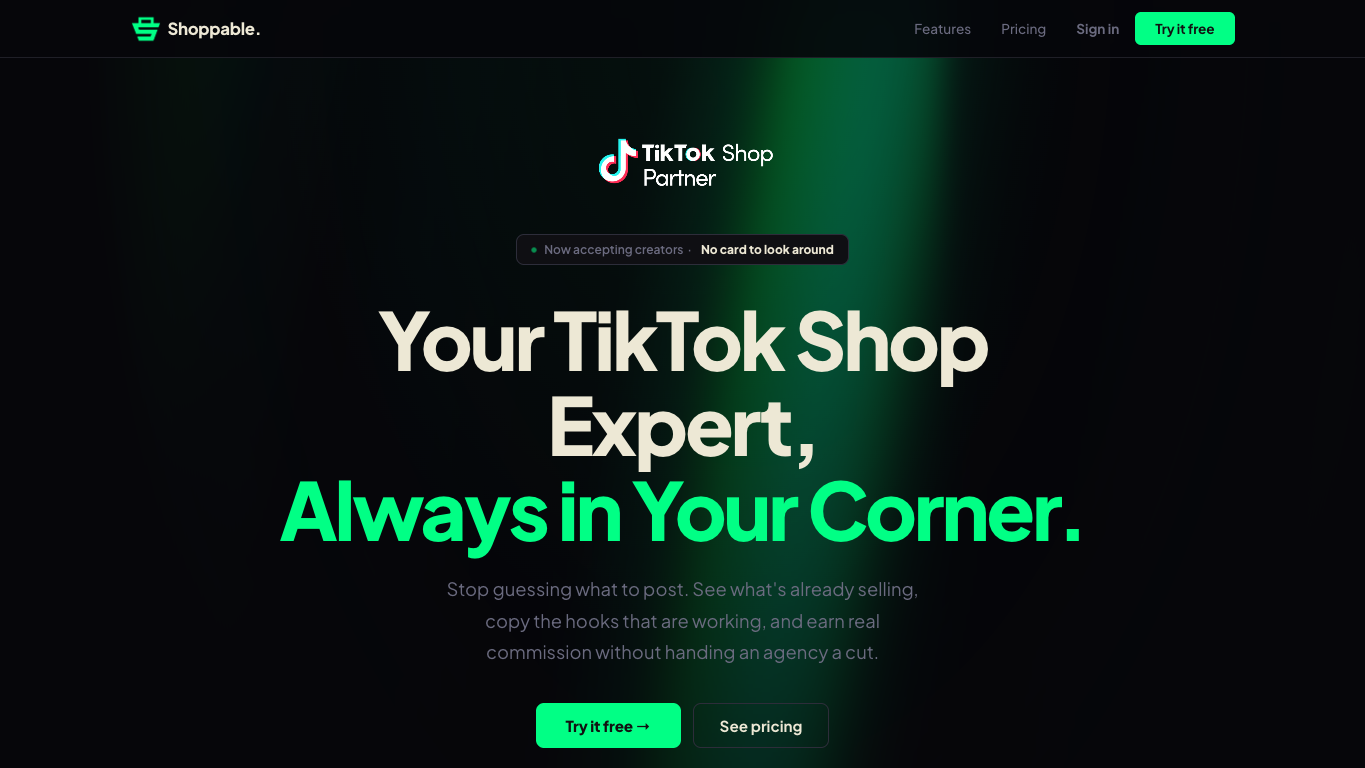
Shoppable is another data-oriented example. Its positioning includes TikTok Shop data, competitor research, creator/shop spy, winning videos, GMV, hooks, CTAs, and product discovery.
Pro Tip: Third-party tools can speed up discovery, but the final shortlist should still preserve source URLs and human review notes. Do not let “AI matched” replace product-fit reasoning.
Score creators before outreach
A simple score keeps the list from turning into a popularity contest.
Score area | Example question |
Product fit | Does the creator already make content in this product category? |
Audience fit | Would their audience plausibly buy this product? |
Content proof | Can they demonstrate, explain, or compare the product well? |
Shop proof | Have they posted shoppable content or affiliate-like videos? |
Offer fit | Does the expected commission/sample cost make sense? |
Risk | Are there claim, spam, brand-safety, or mismatch concerns? |
Creator | Fit | Proof | Offer | Risk | Action |
Creator A | 5 | 4 | 4 | low | invite with sample |
Creator B | 4 | 2 | 5 | medium | monitor |
Creator C | 3 | 5 | 2 | low | test higher commission |
Creator D | 2 | 3 | 3 | high | reject |
Build the shortlist with BrowserAct
Use this module when you need BrowserAct to collect public or authorized creator/product evidence into a TikTok Shop affiliate creator shortlist.
- Open BrowserAct Dashboard
Click the left-side + button to create your own Bot, start from Quick start, or paste the prompt directly into the center Agent input to begin building.
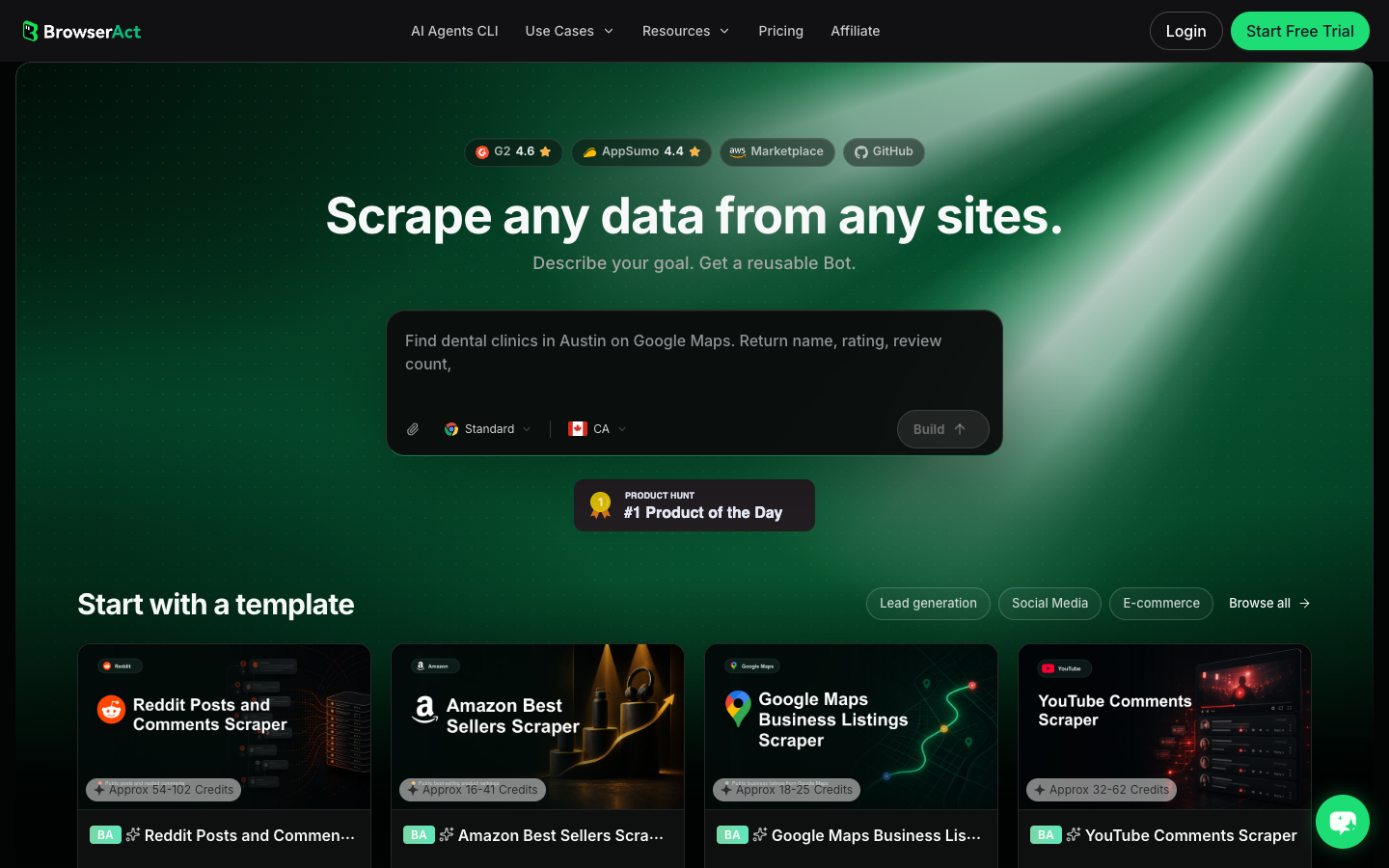
- Copy the complete prompt
Replace the product, category, regions, source URLs, and result limit. Keep the stop rules.
Build a TikTok Shop affiliate creator finder shortlist for one product.

Product brief:
- Product name: add product here
- Category: add category here
- Price band: add price range here
- Target region: US by default, or specify another supported region
- Key objections: add price, trust, shipping, quality, usage, safety, or claim concerns
- Sample policy: free sample, refundable sample, no sample, or unknown
- Commission plan: open rate, target rate, or unknown

Targets:
- Public or authorized TikTok Shop creator, product, hashtag, or affiliate pages supplied by the user
- Public product research pages and approved third-party affiliate research pages
- Seller-only pages only when the user has authorized access and completes login manually

Collect up to 150 creator candidates. Do not keep scrolling forever.

For each creator candidate, capture:
- creator_handle
- profile_url or source_url
- source_type: official_tiktok, seller_center, public_tiktok, third_party_tool, manual_review
- region when visible
- category_fit: high, medium, low, unclear
- audience_fit_note
- recent_video_urls when visible
- shop_or_affiliate_signal when visible
- avg_view_signal when visible
- engagement_signal when visible
- content_style: review, demo, live, comparison, tutorial, transformation, other
- objection_handling_note
- sample_fit: free_sample, refundable_sample, no_sample, unknown
- commission_note
- risk_note
- evidence_quote
- collected_at
- next_action: invite, sample_check, monitor, reject, manual_review

Deduplicate by creator_handle plus profile_url when available, otherwise by source_url plus visible creator name.

Stay read-only. Do not message creators, invite creators, enroll products, change commission rates, request samples, submit forms, purchase products, change account settings, or access private/restricted data.

If login, CAPTCHA, 2FA, seller-only permission, private data, payment, or restricted access appears, pause and record the stop reason instead of continuing automatically.

Export the result as a source-linked table suitable for CSV, JSON, Markdown, or Google Sheets.
Scrape data from any website.
Describe the data you need. Get a Bot — a reliable, reusable scraper.
Prompt preview: collect TikTok Shop creator candidates, product fit, video evidence, sample/commission notes, risk flags, source URLs, and next actions. Private session · Choose your region before you run
Get your Bot — Free- Handle login only when asked
If BrowserAct pauses on login, CAPTCHA, 2FA, seller permission, account confirmation, payment, or restricted data, treat it as a human checkpoint. Do not automate around it.
- Review, dedupe, and export
Inspect rows, remove duplicates, separate public creator evidence from seller-only Affiliate Center data, and export to CSV, JSON, Markdown, or a Sheets-ready table. Save the approved process as BrowserAct Workflow for weekly refreshes. Use BrowserAct CLI when the shortlist needs to feed CRM, Sheets, or affiliate operations.
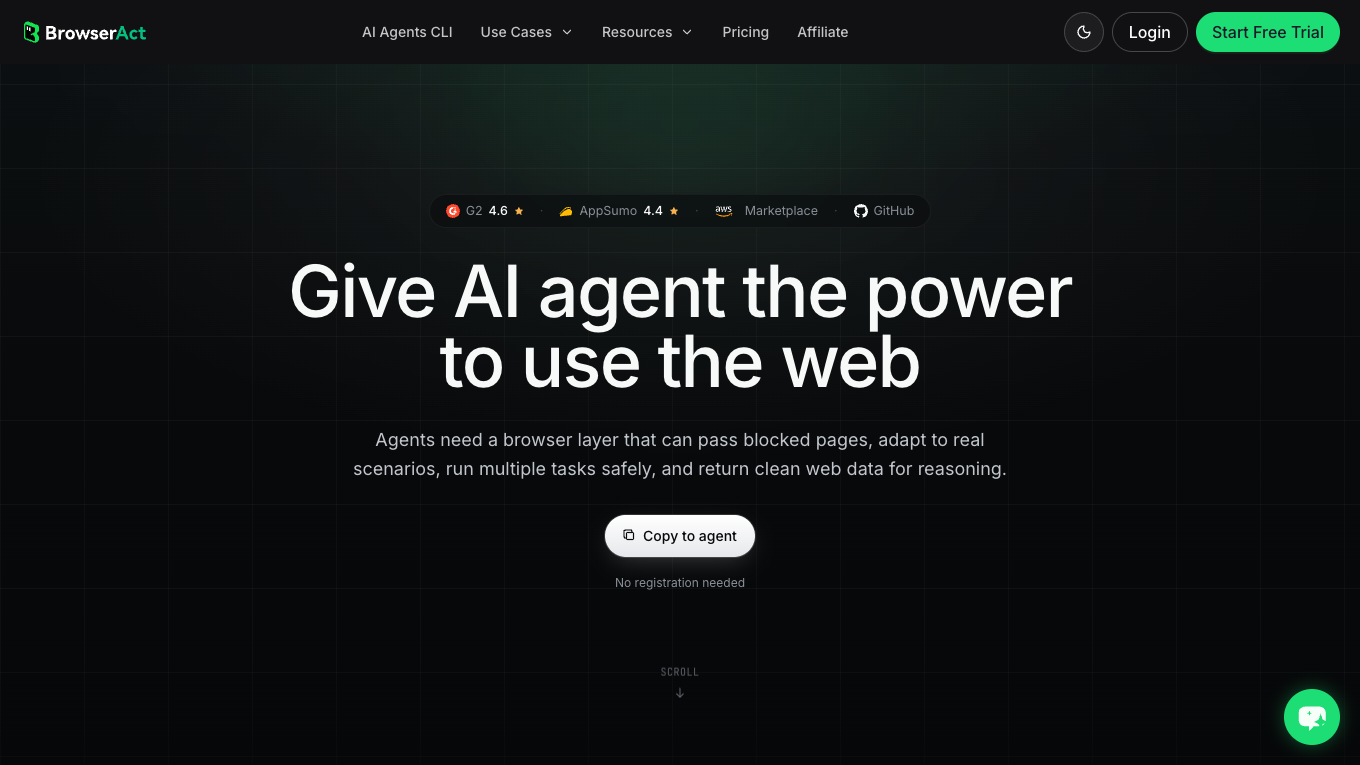
No fake live export screenshot is shown here. Until your team runs the actual product, creator sources, and seller permissions, the honest artifact is the prompt, schema, real Dashboard screenshot, and source-linked shortlist design.
Sample and commission strategy
Samples and commission are not afterthoughts. They change which creators are worth contacting.
Product situation | Better offer pattern |
low-cost impulse product | open collaboration plus broad creator testing |
mid-price product with demonstration need | target collaboration plus sample |
high-trust product | smaller creator list, stronger proof review |
high-margin product | test higher target commission for top-fit creators |
fragile or regulated product | stricter creator review and claim controls |
Weekly operating rhythm
Run the creator finder on a cadence:
- Monday: refresh creator candidates for the product category.
- Tuesday: score product fit, content proof, and risk.
- Wednesday: decide sample and commission plan.
- Thursday: manually invite or follow up through approved TikTok Shop workflows.
- Friday: update performance and move creators to invite, monitor, reject, or retest.
The repeatable part is research and scoring. The human-controlled part is outreach, invitation, sample approval, and commission changes.
Common mistakes
Mistake 1: Sorting by follower count
Follower count is not product fit. A smaller creator with repeated category proof can outperform a larger account with the wrong audience.
Mistake 2: Treating Open Collaboration as a creator strategy
Open Collaboration can bring inbound creators, but it does not replace targeted creator research for products that need trust, demonstration, or careful claims.
Mistake 3: Ignoring sample economics
A creator shortlist that ignores sample cost can look good in a spreadsheet and fail in operations.
Mistake 4: Mixing public evidence and seller-only data
Keep public source rows, third-party tool rows, and authorized seller-center rows separate. They have different reliability and access boundaries.
Mistake 5: Automating outreach too early
Use automation to collect and score evidence. Keep invitations, messages, sample approvals, and commission changes manual unless separately authorized.
Conclusion
A TikTok Shop affiliate creator finder is useful when it turns creator discovery into a product-specific shortlist with evidence, fit scores, risk notes, and clear next actions.
Start with the product brief. Decide whether Open Collaboration, Target Collaboration, or a hybrid model fits. Collect creator evidence from official, public, and third-party sources. Score product fit before outreach. BrowserAct helps make the discovery and shortlist refresh repeatable; the seller should still control outreach, samples, and commission decisions.
Further reading: TikTok research
Frequently Asked Questions
What is a TikTok Shop affiliate creator finder?
It is a workflow or tool for finding creators who match a product, scoring their selling fit, and building a source-linked outreach shortlist.
How do I find TikTok Shop affiliate creators for a product?
Start with the product category and target buyer, collect creator evidence, score fit and risk, then choose Open Collaboration, Target Collaboration, or a hybrid plan.
What is the difference between Open Collaboration and Target Collaboration?
Open Collaboration lets eligible creators discover products broadly, while Target Collaboration lets sellers invite specific creators for selected products.
Can BrowserAct invite TikTok Shop creators automatically?
This workflow keeps BrowserAct read-only; it can collect and score evidence, but invitations, messages, samples, and commission changes should stay manual unless separately authorized.
What fields should a TikTok Shop creator shortlist include?
Include creator handle, source URL, region, product fit, content style, affiliate signal, sample fit, commission note, risk note, evidence quote, and next action.


